Apartment Building Siding Replacement Cost: A Guide for Property Owners
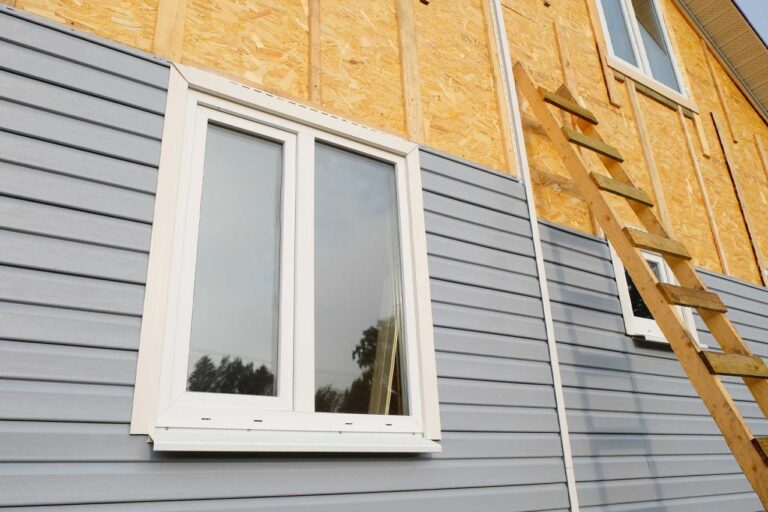
Apartment building siding replacement is a crucial maintenance task that property owners need to prioritize to ensure the structural integrity and aesthetic appeal of their buildings. Timely replacement of siding can prevent further damage to the building and save on repair costs in the long run.
Old or damaged siding can significantly impact the value of an apartment building. It can give off a negative impression to potential tenants or buyers, affecting the overall desirability of the property. By investing in new siding, property owners can enhance the curb appeal and market value of their buildings.
The average lifespan of siding in apartment buildings varies depending on the material used. Vinyl siding can last up to 30 years, while fiber cement siding can last 25-50 years with proper maintenance. Wood siding typically lasts around 20-40 years, and aluminum siding has a lifespan of about 20-40 years as well.
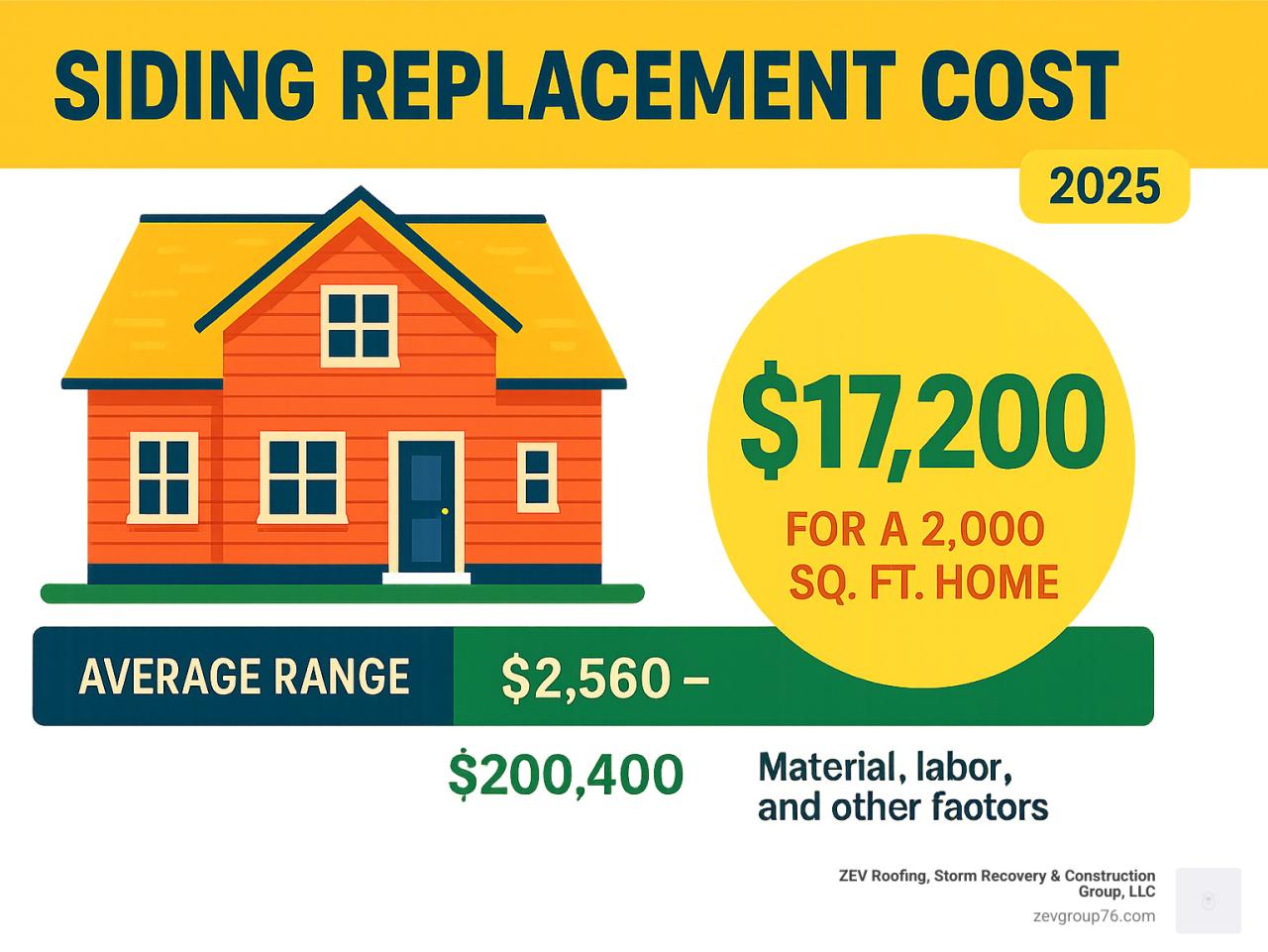
When considering the cost of replacing siding on apartment buildings, several key factors come into play. These factors can significantly impact the overall cost and should be carefully considered before embarking on a siding replacement project.
The size of the apartment building is a major factor that influences the cost of siding replacement. Larger buildings will naturally require more materials and labor, resulting in higher overall costs. Additionally, factors such as the number of stories in the building and the complexity of the design can also impact the cost.
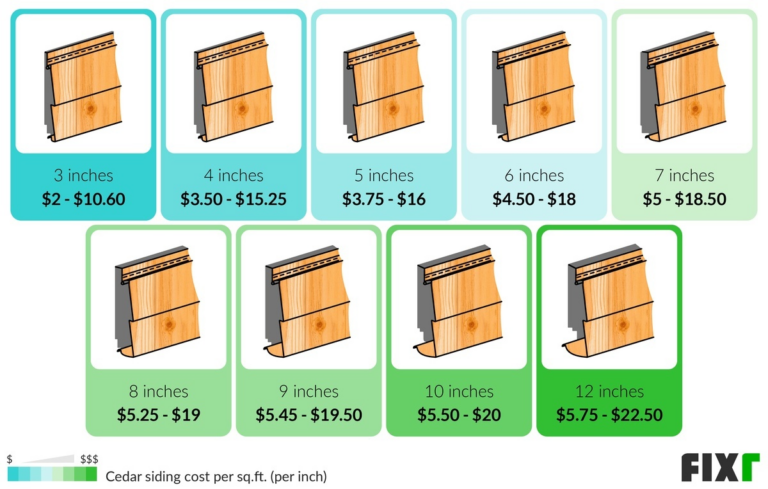
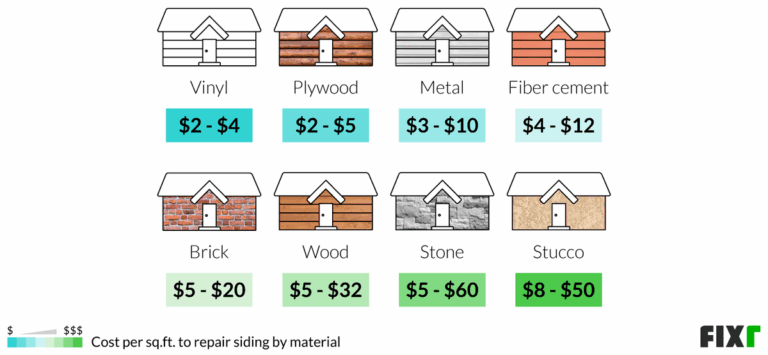
The choice of siding material has a significant impact on the overall cost of replacement. Different materials come with varying price points, with some being more expensive than others. For example, high-end materials like cedar wood or fiber cement will cost more than vinyl or aluminum siding.
It is essential to weigh the upfront cost of materials against their durability and maintenance requirements.
In addition to the cost of materials, other expenses can contribute to the overall cost of siding replacement. Labor costs, permits, and disposal fees are all essential factors to consider. Labor costs can vary depending on the complexity of the project and the skill level of the workers involved.
Permits are often required for siding replacement projects, adding to the overall cost. Lastly, disposal fees for removing the old siding and debris from the site should also be factored into the budget.
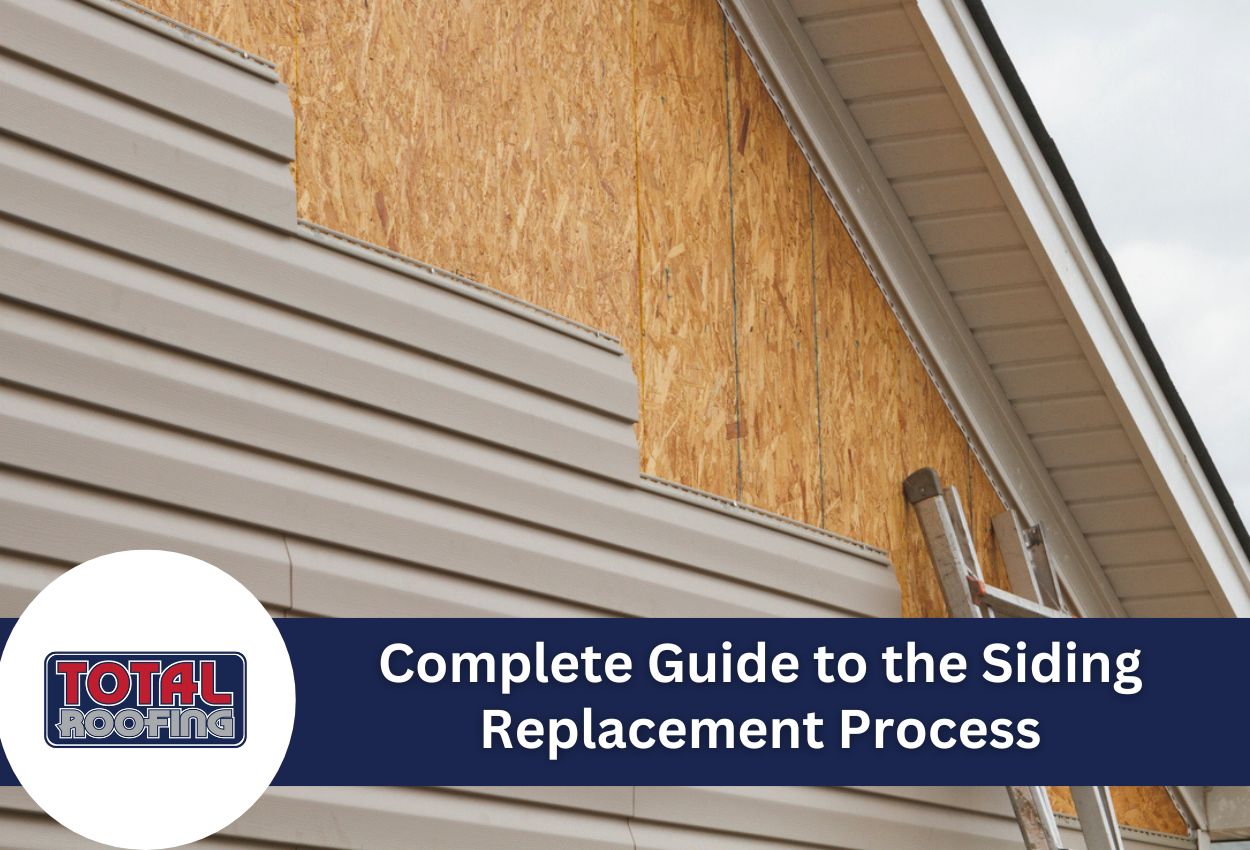
When it comes to estimating the cost of replacing siding on apartment buildings, property owners have several methods at their disposal. These methods can help ensure an accurate budget and prevent any surprises during the project. Here, we will discuss the different approaches to estimating siding replacement costs, comparing contractor quotes, the importance of thorough inspections, and tips for negotiating pricing.
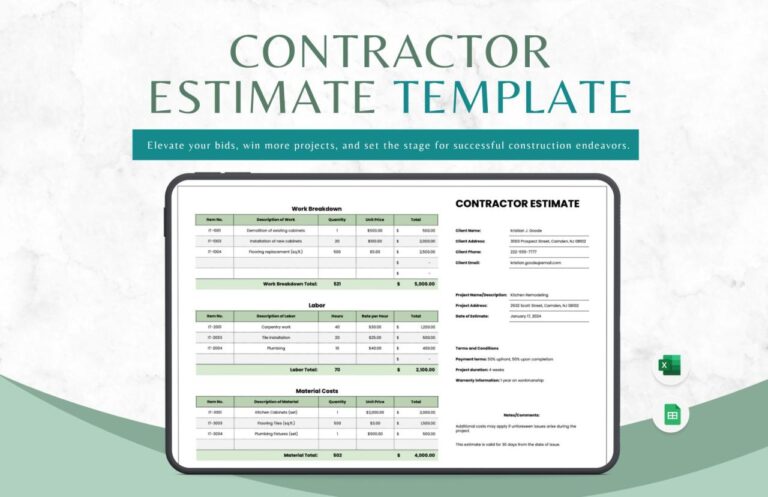
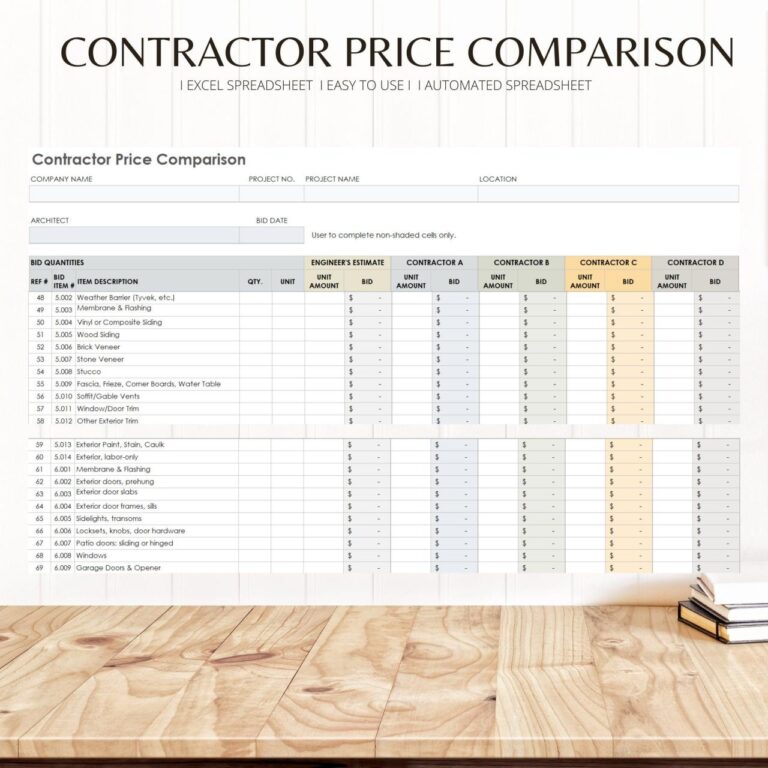
Before proceeding with any siding replacement project, it is crucial to gather quotes from multiple contractors. By comparing these quotes, property owners can get a better understanding of the range of costs involved. It is essential to request detailed breakdowns of the estimates to ensure transparency and accuracy.
Prior to estimating the cost of siding replacement, conducting a thorough inspection of the building is necessary. Identifying any underlying issues, such as water damage or structural problems, can impact the overall cost of the project. By addressing these issues beforehand, property owners can avoid unexpected expenses down the line.
When negotiating pricing with contractors, property owners should be prepared to ask questions and seek clarification on any discrepancies in the estimates. It is essential to communicate openly and establish clear expectations regarding the scope of work and materials to be used.
Property owners can also leverage competing quotes to negotiate a fair price and ensure they are getting the best value for their investment.
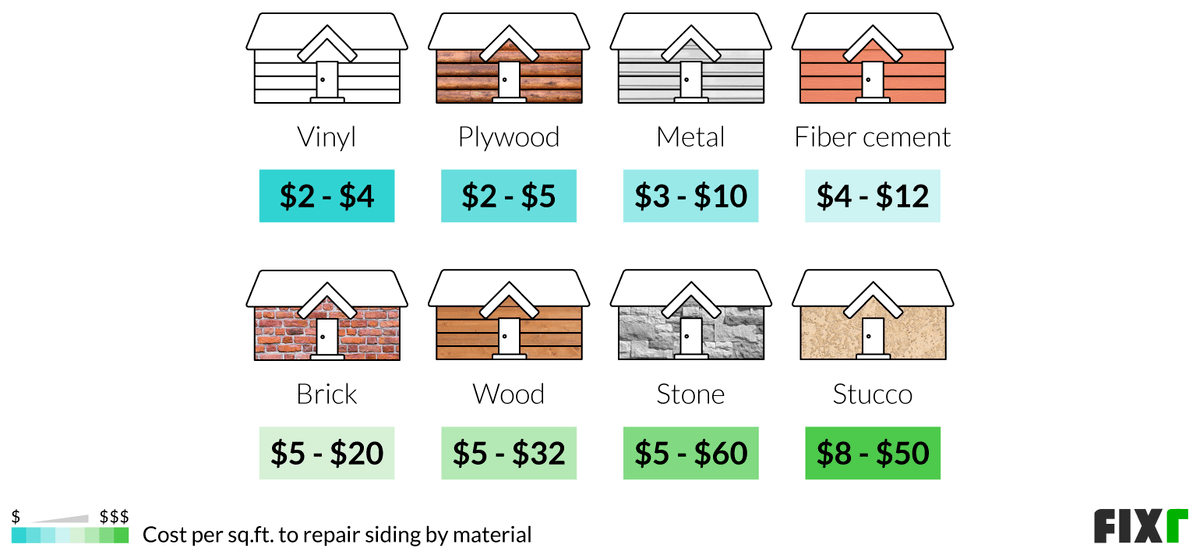
When it comes to apartment building siding replacement, budgeting and financing are crucial aspects that property owners need to consider. Proper planning can help you manage costs effectively and ensure a successful project.
It’s essential to set aside contingency funds when budgeting for apartment building siding replacement. Unforeseen expenses can arise during the project, such as the discovery of underlying issues or changes in material costs. By allocating a portion of your budget for contingencies, you can avoid financial strain and delays in the project timeline.
Property owners have various financing options available to them for siding replacement projects. These may include traditional bank loans, lines of credit, or specialized financing programs for property improvements. It’s important to research these options thoroughly and choose the one that best fits your financial situation and long-term goals.
There are ways to maximize cost savings during the siding replacement process. Consider getting multiple quotes from contractors to compare prices and negotiate for the best deal. Additionally, look for opportunities to use cost-effective materials or energy-efficient siding options that can help you save money in the long run.
When it comes to siding replacement for apartment buildings, property owners often face the decision of whether to tackle the project themselves or hire professionals. Each option has its own set of advantages and disadvantages that should be carefully considered.
DIY siding replacement can potentially save money on labor costs and give property owners a sense of accomplishment. However, it requires a significant amount of time, effort, and skill to complete the project successfully. Without proper experience or knowledge, DIY attempts can result in errors, leading to additional costs for repairs.
One of the main risks of DIY siding replacement in apartment buildings is the potential for improper installation. This can lead to issues such as water damage, air leaks, and reduced energy efficiency. In addition, working at heights can pose safety hazards for inexperienced individuals.
Professional siding contractors have the expertise, experience, and access to specialized tools needed to ensure a high-quality installation. They can also provide warranties for their work, giving property owners peace of mind. By hiring professionals, property owners can save time and avoid potential costly mistakes that may arise from a DIY approach.
What are the most common types of siding materials used in apartment buildings?
Common types include vinyl, wood, fiber cement, and metal siding, each with its own advantages and considerations for replacement costs.
How can property owners negotiate pricing with contractors for siding replacement?
One effective way is to obtain multiple quotes from different contractors to compare costs and leverage this information in negotiations.
Is DIY siding replacement a viable option for property owners?
While it can save costs, DIY siding replacement comes with risks and challenges that may affect the overall quality and longevity of the project.